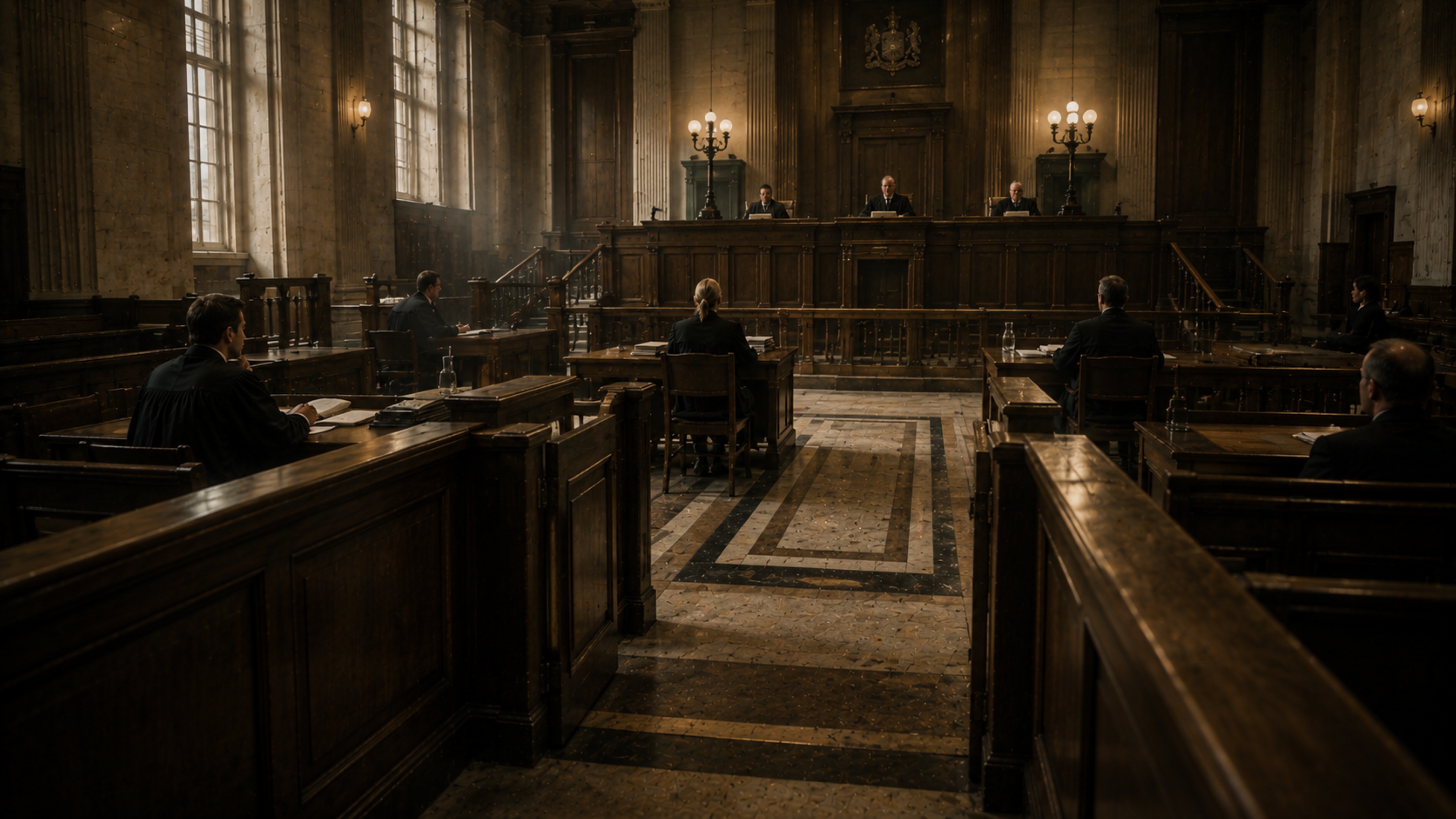
Episode III: Courtroom Alchemy: Discussion
This thread is dedicated to discussion of Episode III of SYSTEMIC: Courtroom Alchemy. Use this space to examine how courtroom architecture, procedural language, plea incentives, and administrative silence shape outcomes in the criminal justice system. Focus on observable practice: courtroom layout, judicial scripting, plea pressure, unrepresented defendants, vulnerability thresholds, and the diminishing role of juries. Contributions should reference concrete procedures, cases, policies, or lived experience where possible. Counter-arguments are welcome where grounded in evidence and articulated in good faith. Speculation, abuse, or unfounded claims are not appropriate here. I would particularly like to hear which courtroom rituals or practices most changed how you understand consent and fairness in criminal proceedings.
How to Participate
- Choose whether you are posting a Reply or a Challenge Reply.
- A Challenge Reply must include a Steel Man summary of 6 to 60 words, or 30 to 600 characters.
- Steel Man first: state the strongest version of the other person’s case before you challenge it.
- Engage the argument, not the person.
- If meaning is unclear, ask for clarification before posting a challenge.
- Aim for clarity, fairness, and intellectual honesty.
Full guidelines: TGK Community Charter .
Add Your Contribution
Discussion
Support The Gnostic Key
If this work helps you, a small contribution keeps the archive alive.