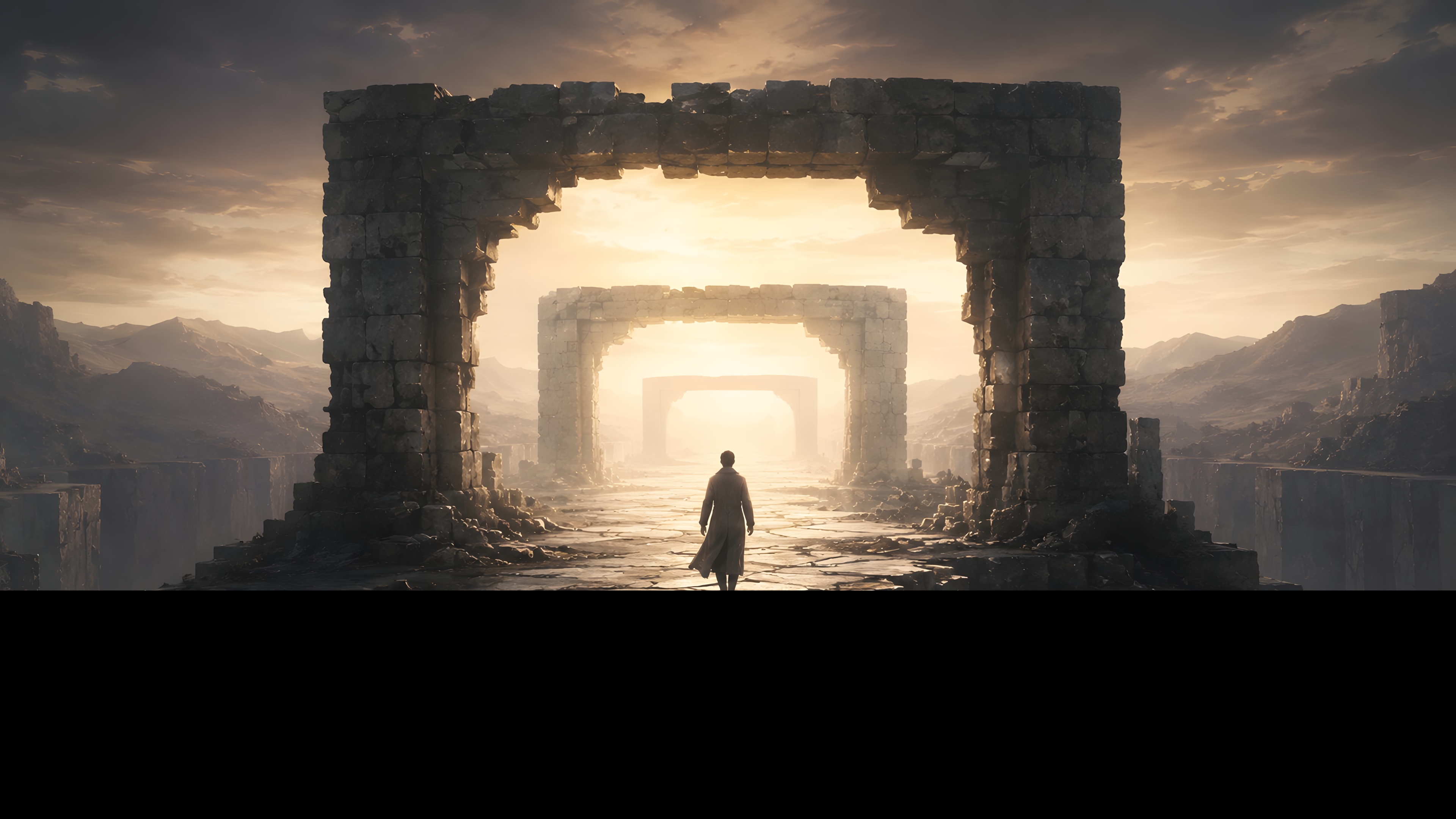
Previously in Part II
Previously in Part II: you met the hidden Christ, not as a sacrifice to be worshipped, but as the Revealer who awakens the divine spark within. You followed the path beyond doctrine, beyond institutional religion, and into gnosis: the inner knowing that calls the soul back to its origin. Now Part III turns to the afterlife map itself: the soul’s exit, the Archonic toll gates, and the memory that opens the way home.
Chapter 1: The Soul’s Exit
The Gnostic path doesn’t begin at death. But death is where it is tested.
When the body fails, the soul doesn’t die.
It separates.
Within this symbolic map, death may first appear as confusion, drifting, or passage. For the awakened, those who carry gnosis, it becomes the beginning of return.
Several Gnostic and related late-antique texts imagine the soul rising through layered heavens after death, where its passage is neither simple nor automatic.
There are toll gates. Guardians. Archons who question, distort, delay: wardens of the false cosmos.
They demand answers. Passwords. Recognition.
“All nature, all formations, all creatures exist in and with one another, and they will be resolved again into their own roots.”
Gospel of Mary (BG 8502 IV 4:22). [4]
This is why gnosis matters, not just for life, but for death.
Within this framework, if the soul remembers its origin and recognises the powers confronting it, it can pass.
If it does not, some texts and later interpretations imagine further entanglement in forgetfulness, judgement, or renewed embodiment.
In this reading, the Gnostic Christ does not merely promise salvation. He reveals the soul’s origin and teaches it how to return.
TL;DR
- Several Gnostic texts portray the soul’s ascent as a passage through layered powers and obstacles.
- Archonic rulers can function as guardians, accusers, or deceivers within these ascent narratives.
- Gnosis gives the soul memory, the passwords of liberation.
- Forgetfulness leaves the soul vulnerable to further judgement, entanglement, or return.
- Read together, these teachings can be approached as a spiritual map for dying awake.
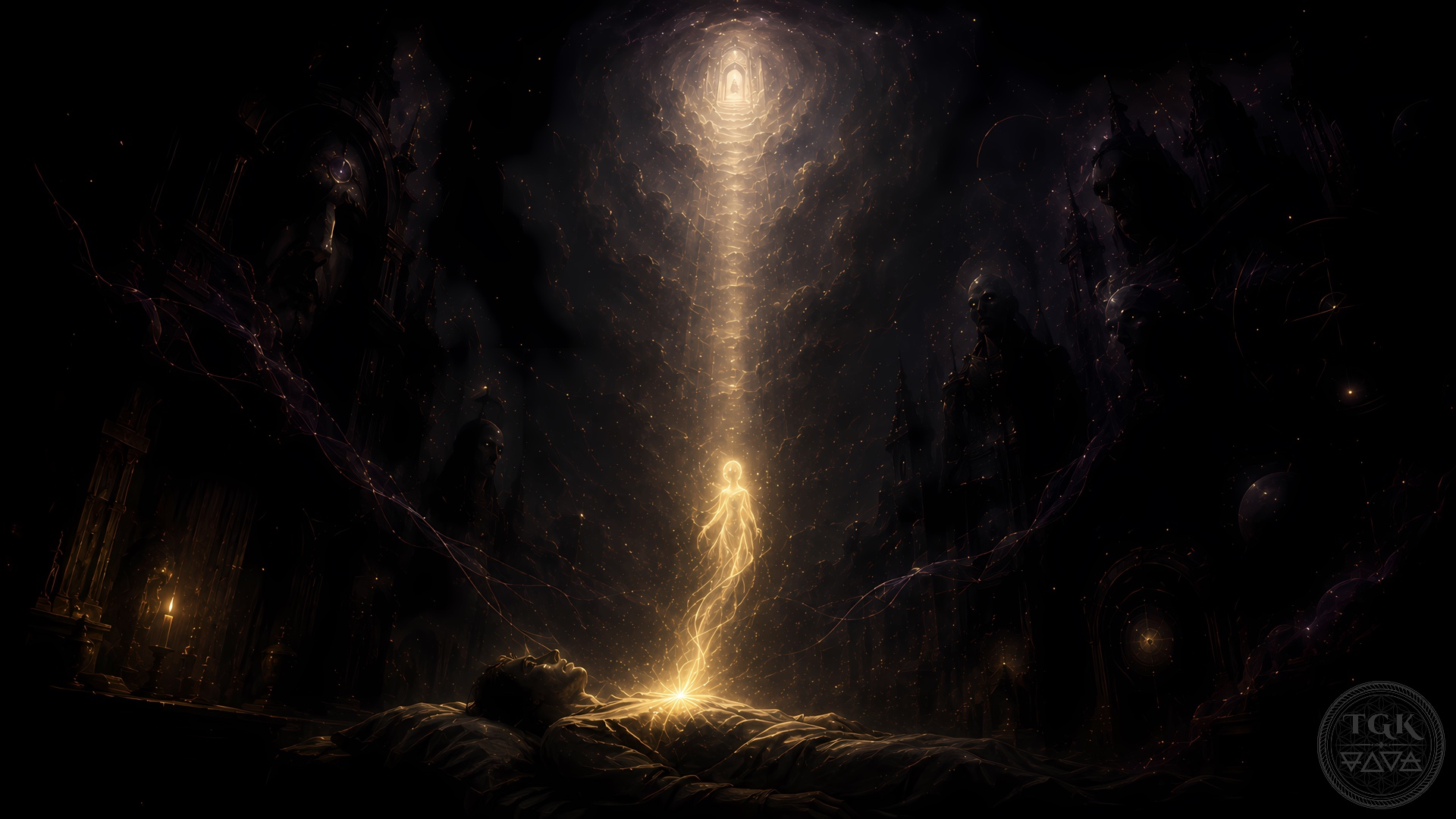
Chapter 2: The Toll Gates of the Archons
Some Gnostic and related ascent traditions taught that after death, the soul does not move freely to paradise.
It rises through layers, and at each threshold it may be challenged, questioned, or opposed.
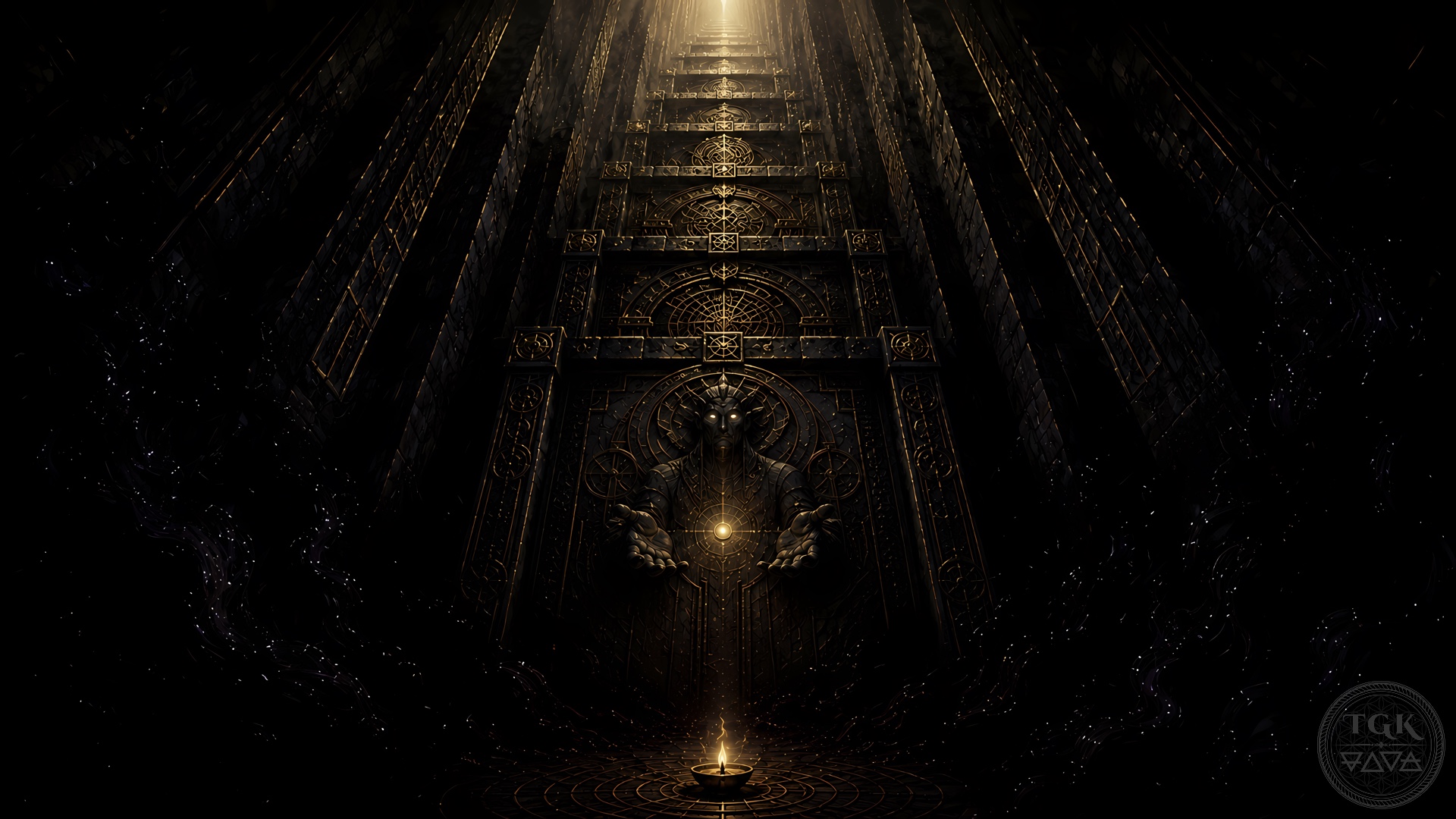
Later readers often describe these checkpoints as toll gates, guarded by Archons, rulers of illusion. In Part I we named them as parasitic intelligences (lesser rulers of the psyche): patterns, trauma loops, and inherited programmes dressed as cosmic law.
They do not demand faith. They demand forgetfulness.
They speak in riddles. They mirror your shame. They whisper: “You are not worthy.” “You belong to the body.” “You have no memory of the Light.”
Each gate is a veil. A test. Proof of whether you awakened before death, or remained asleep inside it.
“When the soul leaves the body; it is confronted by the Archons who ask: ‘Where do you come from? Who sent you? What signs do you bring back?’”
TGK interpretive paraphrase inspired by the ascent and hostile powers in The Apocalypse of Paul (NHC V,2). [1]
Within the symbolic schema used here, remembrance of the true Source allows the soul to answer without submitting to the rulers’ claims.
But if it clings to ego, identity, belief; it stumbles.
This is why the Gnostic path was never about worship or repentance. It was about remembrance.
The soul must speak its origin. It must know itself.
In Pistis Sophia, souls encounter rulers, judgements, seals, names, and mysteries associated with ascent. The work supports a broad pattern of guarded passage, but it does not provide the fixed seven-gate sequence used below.
Here, the gates are rendered as a symbolic schema: Time. Law. Power. Ego. Desire. Knowledge. Emotion. These are interpretive thresholds rather than a verbatim list from the source text. The soul must pierce them and declare: “You are not my god. I am from the Light.”
Note: The guarded-ascent motif appears in texts such as the Apocalypse of Paul and Pistis Sophia, although their cosmologies and sequences differ. While Gnostic schools differed in detail, they agreed on this: remembrance is the key to return.
Primary sources and comparators: Pistis Sophia · Apocalypse of Paul, NHC V,2 · Gospel of Mary, BG 8502
TL;DR
- In Gnostic teaching, after death the soul ascends and passes through toll gates guarded by Archons.
- Each gate tests the soul’s memory, self-knowledge, and origin.
- Archons deceive through guilt, ego, confusion, and fear.
- Gnosis gives the soul the “passwords”, keys of inner knowing, to pass through.
- The broader guarded-ascent pattern appears across texts including Apocalypse of Paul, Pistis Sophia, and the Gospel of Mary.
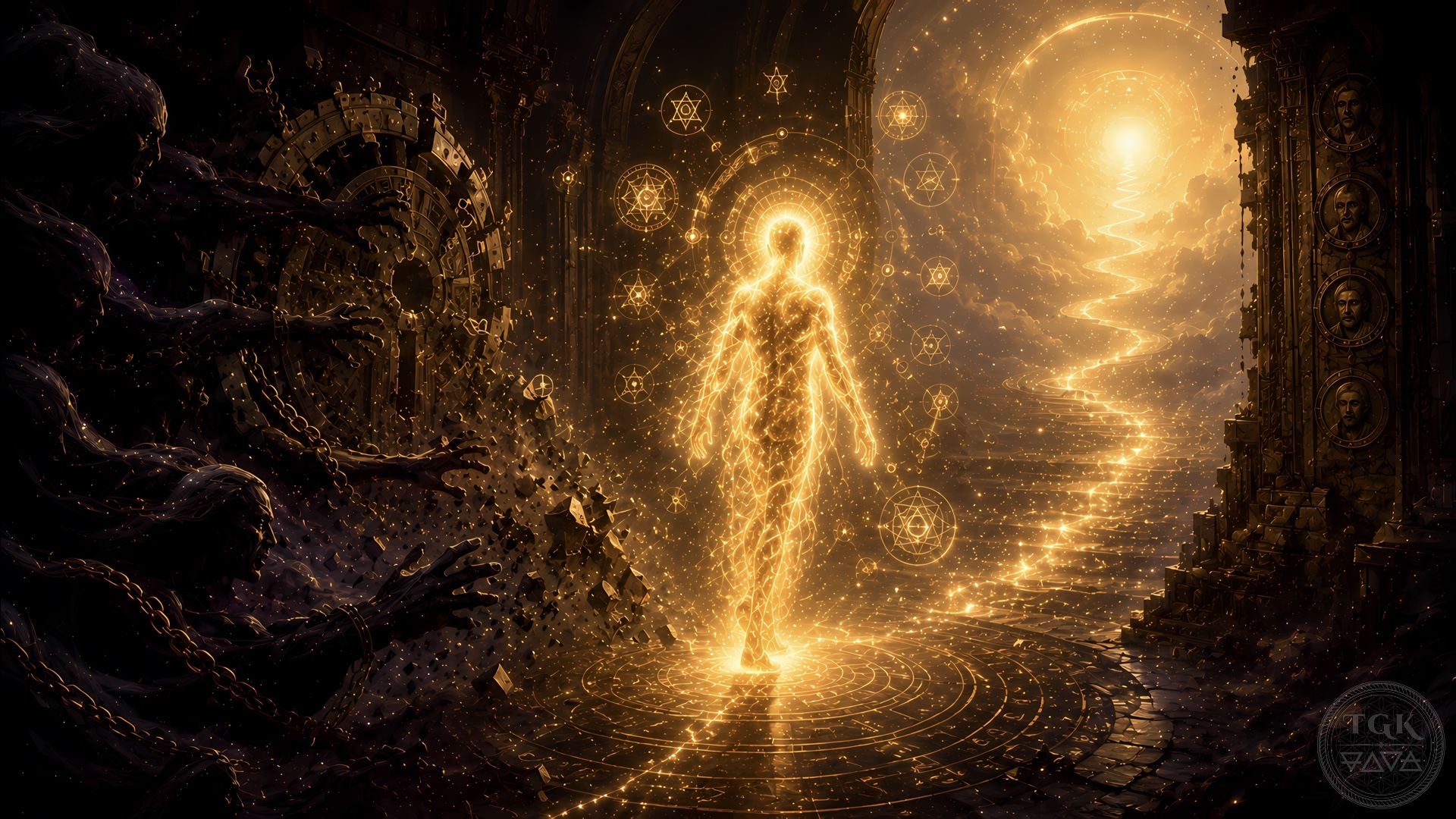
Chapter 3: How Gnosis Frees the Dead
Many Gnostic writers treated liberation as more than metaphor. Their texts preserve myths, revelations, names, seals, and ascent instructions that can be read as an architecture of the soul’s escape.
They didn’t just seek enlightenment. They mapped the post-mortem labyrinth.
They taught: If a soul awakens in life, remembers its origin, names the false gods, embodies the Light; it will pass through death unbound.
This is gnosis: inner knowing that survives the body.
Jesus, to them, was not a sacrifice. He was a living transmission, a Revealer from the Light, come to teach souls how to return.
“He who has come to know himself has already achieved knowledge of the Depth of All.”
Gospel of Truth (NHC I,3 22–25). [5]
In the Pistis Sophia, he gives Mary passwords, names of light, and radiant seals, not to dominate others, but to guide the dead.
Not every Gnostic teaching is an afterlife manual, but many return to the same task: awakening the soul before death and orienting it towards its source.
Every rite is a soul-signal. A bypass code. A liberation key against the Archons.
Every act of remembrance pulls the soul closer to the Pleroma.
Taken together, these writings offered forms of authority that did not depend entirely upon bishops, creeds, or public institutions.
That made them difficult to contain within the boundaries of emerging orthodoxy. A soul that knows the way out is also harder to govern from outside.
TL;DR
- Gnosis is more than knowledge; it is the soul’s memory, and it survives death.
- If awakened in life, the soul can pass through the Archonic toll gates unbound.
- Texts like Pistis Sophia contain soul-maps, passwords, and spiritual codes for the journey.
- Every Gnostic saying, seal, or name was a key to unlock a layer of the illusion.
- Within this framework, a soul that remembers is not detained, not by death, not by system, not by lie.
Visual Map: The Soul’s Journey Through the Toll Gates
The seven-gate sequence below is TGK’s interpretive map, synthesising recurring Gnostic themes of ascent, judgement, memory, and resistance. It is not a verbatim sequence from a single ancient text.
Each gate poses a challenge of identity, memory, and allegiance.
- Death: The soul separates from the body
- Gate 1: Ego: “You are your name. Your title. Your story.”
- Gate 2: Shame: “You are too impure to rise.”
- Gate 3: Desire: “Don’t you want to return?”
- Gate 4: Law: “You disobeyed the system. You are guilty.”
- Gate 5: Power: “Bow. Submit. I am your ruler.”
- Gate 6: Fear: “Where will you go? Who will catch you?”
- Gate 7: Illusion: “There is no Pleroma. Only this.”
- The Pleroma: If remembered: the soul returns home
To each gatekeeper, the awakened soul answers:
“You are not my god. I am from the Light.”
Chapter 4: What Happens If You Forget?
Not every soul remembers.
Some die in sleep. Some carry belief, but not gnosis. Some cry out to the wrong god, and the Archons smile.
Because if you forget your origin, you can be redirected.
Within this symbolic reading, mistaking the rulers of the lower cosmos for the highest divine reality leaves the soul aligned with the very order it is trying to transcend.
Some Gnostic systems imagine renewed embodiment or continued entanglement; others describe judgement, dissolution, or exclusion from the Fullness. Here, that danger is rendered as a wheel of birth, trauma, conformity, and amnesia.
Paraphrase: The soul that does not possess gnosis is powerless after death; it is thrown into forgetfulness and cast back into the world.
TGK interpretive paraphrase drawing on the Gospel of Philip’s contrast between ignorance and resurrection. [3]
In the Gnostic vision, this cycle is not growth. It’s containment.
The Archons feed on repetition. On unprocessed karma. On loops of belief without liberation.
This is not punishment. It is programming.
The system doesn’t need your worship. It needs your forgetfulness.
But even here, there is hope.
Because every cycle carries a crack.
Every return is a new chance to remember. And the soul that remembers within the world can break it from within.
Note: Gnostic traditions did not share one settled doctrine of reincarnation. Some texts describe renewed embodiment or continuing bondage, while others focus on judgement, ascent, resurrection, or dissolution. The recycling language on this page is TGK’s symbolic synthesis, not a fixed creed found verbatim in the Gospel of Philip or the Apocalypse of Paul.
TL;DR
- Without gnosis, the soul remains vulnerable to forgetfulness, judgement, or renewed entanglement.
- The afterlife is not automatic ascension; it is interrogation and redirection.
- Within this framework, allegiance to the lower ruler can bind the soul to the lower order.
- This creates a loop: a wheel of reincarnation and spiritual amnesia.
- But every return carries a spark. Gnosis can break the loop, even from inside it.
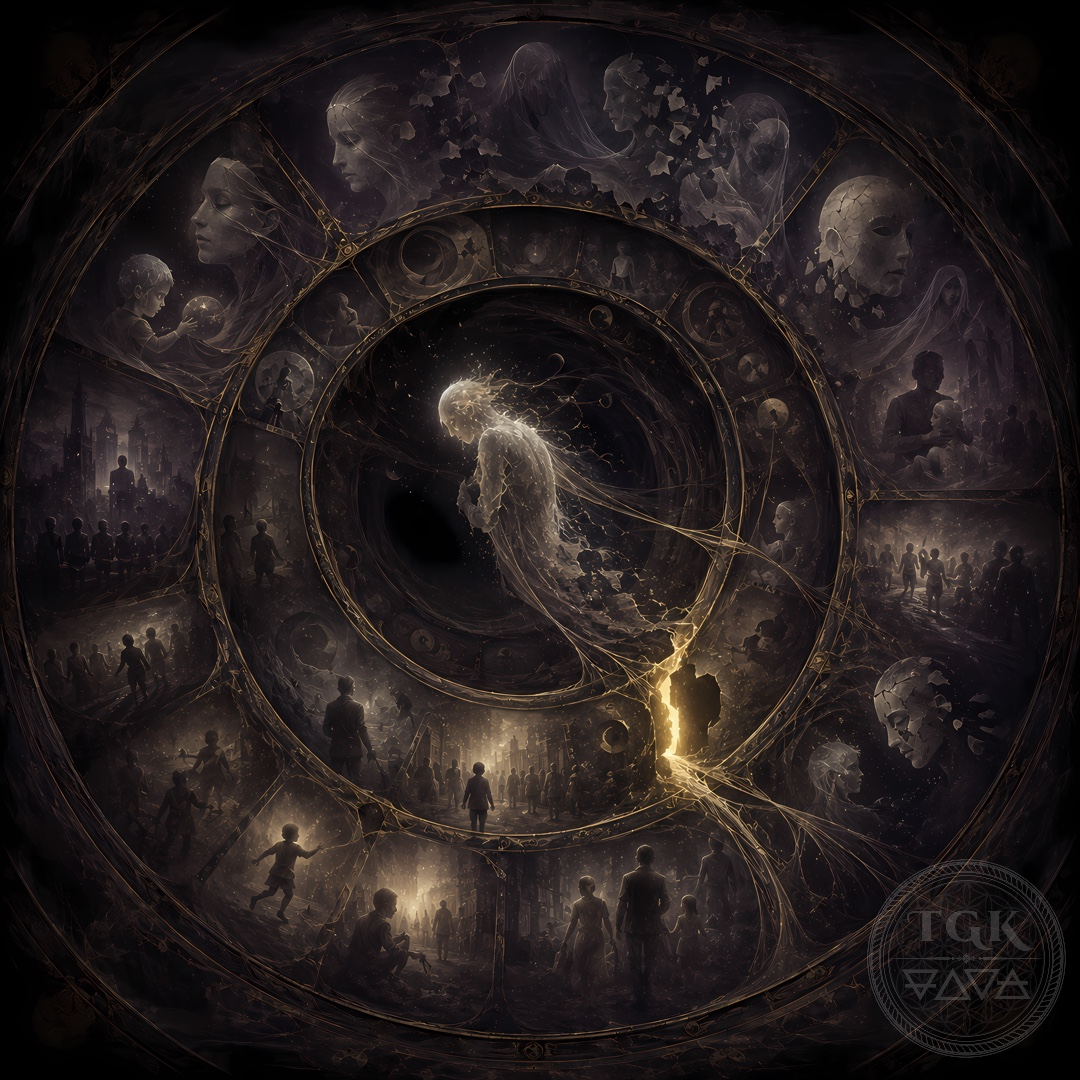
Chapter 5: The Final Return
When the soul has remembered…
When it has passed the toll gates…
When it has spoken the names, shattered the illusions, and burned off the body of forgetfulness.
Then it rises.
Not into heaven. Not into paradise. But into the Pleroma: the Fullness, the source-realm of light, truth, and total union.
This is not a place.
It is the original state.
Not reward, return.
“You are from the place where Light came into being by itself. You came from it, and you will return there.”
Gospel of Truth (NHC I,3 30–32). [5]
In the Pleroma, the soul is no longer separate.
It does not float like a ghost. It does not worship. It remembers what it is: not a fragment, but the All.
Some Gnostic texts imagine reintegration with the Fullness; others preserve distinctions among souls, Aeons, and divine realities. In this article’s symbolic rendering, individuality dissolves into radiance, the spark reunites with Sophia, and the exile ends.
This is the promise buried beneath religion. The liberation hidden behind the cross. The secret Jesus died to reveal: not to hide.
When you know this before death, the return is not just afterlife; it is now.
TL;DR
- The soul’s goal is not heaven, but the Pleroma: the divine realm of origin.
- When the soul passes the gates and dissolves ego; it returns to Fullness.
- This is not a reward but a remembrance, a reintegration with the divine All.
- The Gnostic Christ came to teach this final return, not to mediate it, but to mirror it.
- The return can begin now. Gnosis is the gate.
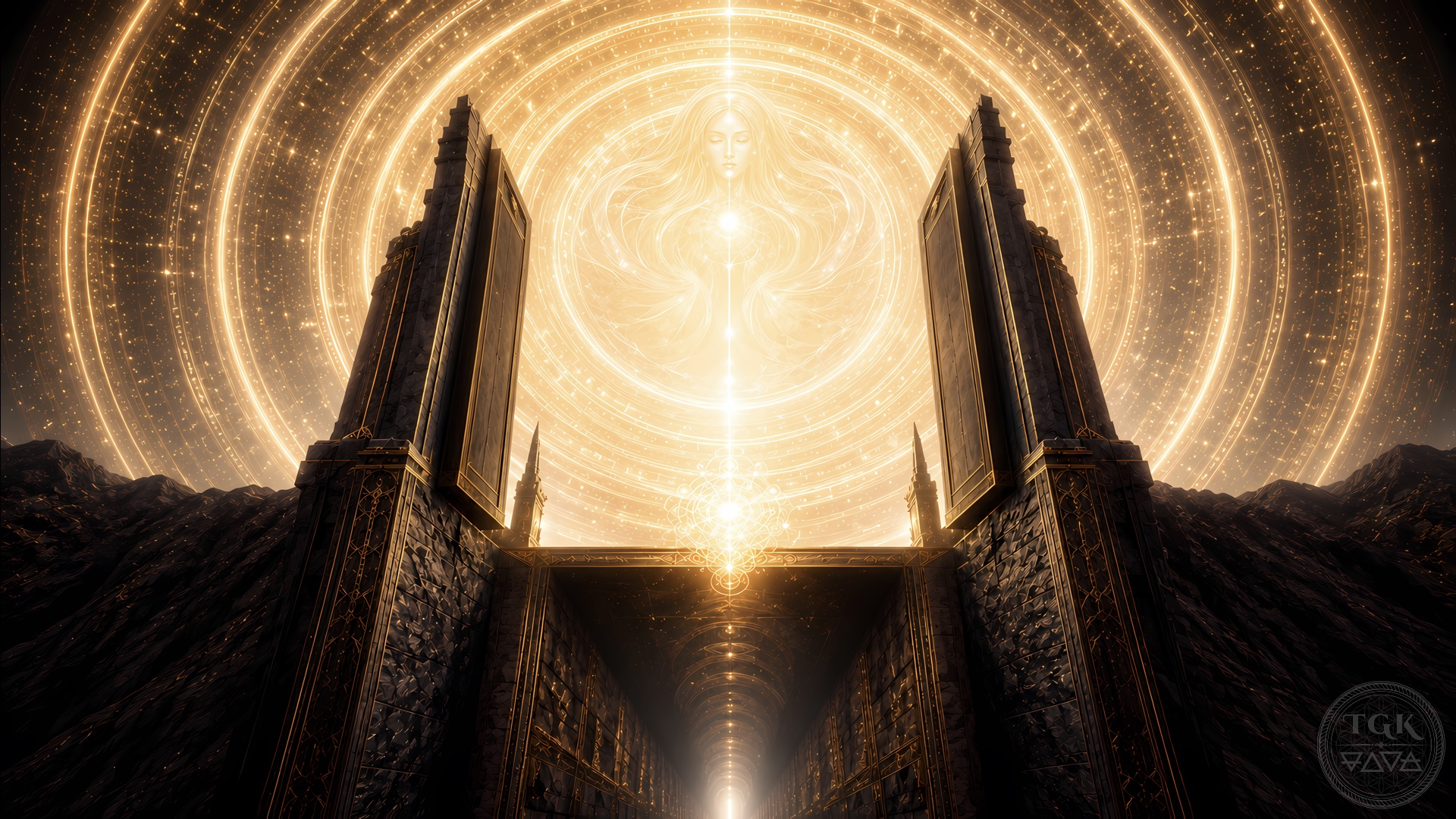
Chapter 6: Prepare Now, Dying Before Death
What if you didn’t have to wait for death?
What if the gates could open now: because the real prison was never the body, but the illusion that you were only the body?
To the Gnostics, the soul’s return wasn’t just a future hope. It was a present possibility.
“Die before you die.”
This later mystical formula captures the practice being described here: let the false self burn. Let the Archons lose their hold. Let the voice of the Demiurge fall silent inside you.
This is the real resurrection, the rising of the divine spark while you still breathe.
“Whoever drinks from my mouth will become like me. I myself shall become that person, and the hidden things will be revealed to them.”
Gospel of Thomas (Saying 108, NHC II,2 51:10–15). [7]
To die before death is to remember the Source.
To speak the passwords now. To pass the toll gates in dreams. To meet Sophia in silence. To stand before Christ, not as a worshipper, but as a mirror returned.
You do not need permission. You need memory.
This is the work. The flame. The page.
Now, read it inward.
TL;DR
- Later mystical language of “dying before death” captures a Gnostic theme: awakening while still alive.
- This means shedding false identity, ego, fear, and reprogramming now.
- The toll gates can be used symbolically as inner thresholds confronted through memory and gnosis in life.
- This is resurrection: the divine spark ignited before the body falls.
- When you remember who you are, death becomes a return, not a loss.
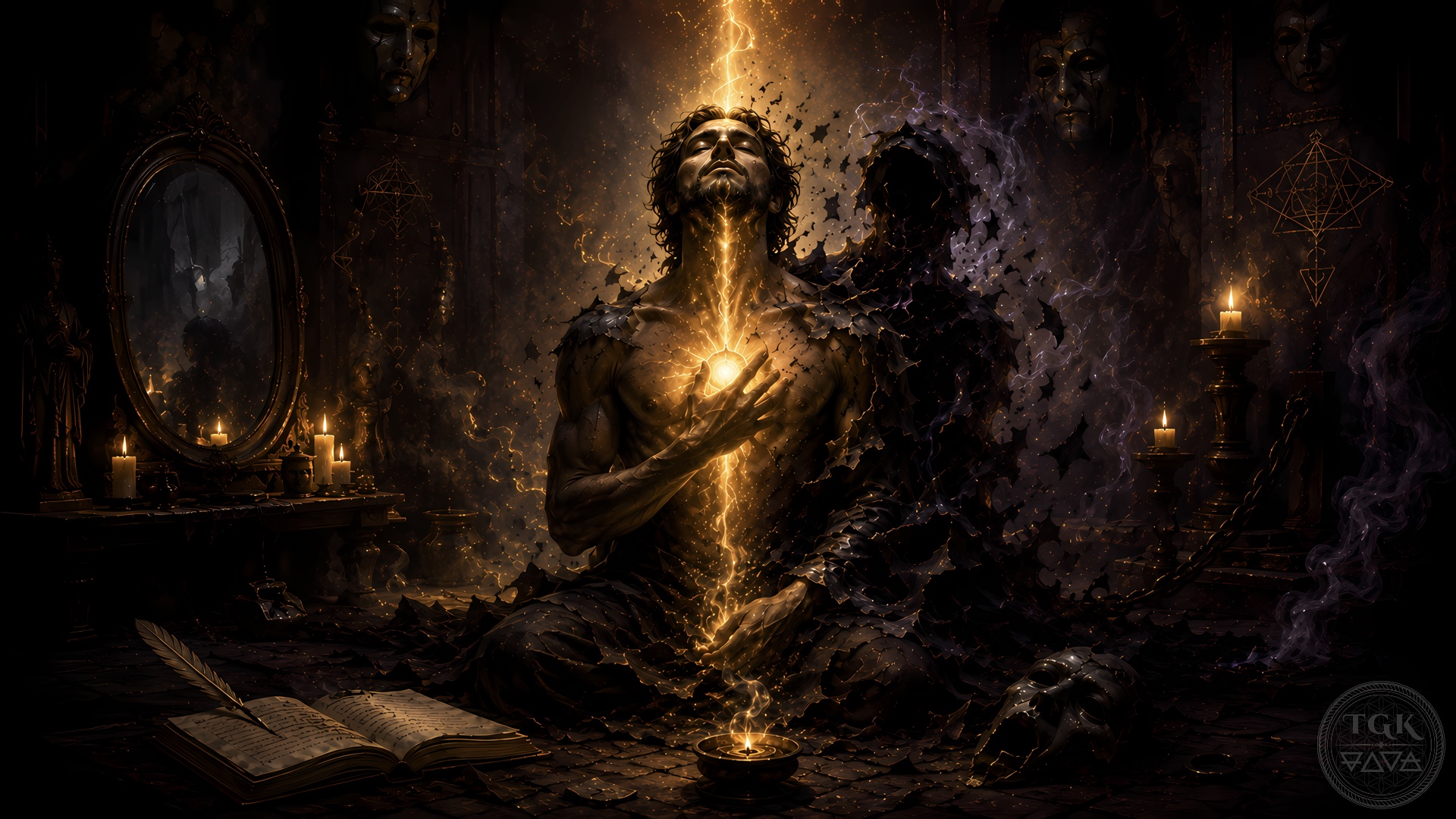
Chapter 7: Practicing Gnosis Today
Gnosis isn’t philosophy. It’s practice.
It begins in silence, deepens through honesty, and awakens through inner fire. The ancients whispered the codes, but the key must be turned from within.
1. Mirror Meditation
Inspired by Gospel of Thomas, Saying 3
Sit in silence. Place a mirror before you. Breathe. Look into your own eyes and ask: “Who am I beneath the lie?”
Let whatever rises come. You are not judging, you are remembering. Practice daily for 5–10 minutes. Track your responses, visions, and shifts in a journal.
2. Toll Gate Journaling
Each week, confront one Archon: Ego, Shame, Desire, Law, Power, Fear, and Illusion.
Ask yourself: “Where does this rule me?”
Write freely. Close with the declaration: “You are not my god. I am from the Light.”
Do one Archon per week, for 7 weeks. Record what cracks open as illusion dissolves.
3. Symbolic Recall
Before sleep, close your eyes. Picture a toll gate before you. An Archon demands: “Who are you?”
Speak your truth aloud: “I am from the Pleroma. I remember.”
Repeat nightly for 7 days. After each session, draw or write down any symbol, word, or dream fragment that lingers. Treat these as images arising from memory, imagination, or the unconscious, and record them without assuming a single explanation.
These practices are offered as symbolic exercises and reminders, not as proof of a literal afterlife mechanism.
Gnosis doesn’t save you; it wakes you. And in waking, the veil dissolves.
Want to track your progress? Start a 21-day Gnosis Journal. Mark each day you practice. After 3 weeks, reflect: What surfaced? What shifted? What false gods did you outgrow?
After 7 weeks, pause and look back. What once ruled you that no longer does?
Creative Prompt
Write a poem from the perspective of your soul at the toll gate, standing between the false god and the Light. Title it “I Remember”. Speak the truth of your origin.
Will You Remember at the Gate?
Read as myth, map, or spiritual rehearsal, the teaching turns on one question: what does the soul remember? Memory is the first liberation.
If you had to speak your soul’s origin at death, what would you say?
- What do you truly remember about your origin?
- Which false gods still whisper to you?
- If you met the Archons tonight, would you recognise them?
- Have you died before death, or are you still clinging to the mask?
Share your reflections using #TheGnosticKey and tag @thegnostickey.
Quiz
Can the soul pass the toll gates by memory rather than fear?
Sources & Study Path
Texts detailing the soul’s ascent, the toll gates, and the return to the Pleroma.
References
-
:A visionary ascent through the heavens and encounters with powers that challenge the ascending soul.
-
:Dialogues on seals, names, and liberating knowledge.
-
:Reflections on resurrection, spiritual transformation, and reunion with the divine.
-
:The soul’s ascent beyond fear and authority.
-
:Ignorance is overcome through knowledge of the Father and remembrance of origin.
-
[6] Second Treatise of the Great Seth
:The Revealer mocks the false powers and affirms liberation.
-
:Sayings of the Revealer, cited here for the mouth-drinking saying on becoming what is drunk from within.
Scholarly Sources & Translations
- Hans Jonas (1958). The Gnostic Religion. Beacon Press.
- Elaine Pagels (1979). The Gnostic Gospels. Random House.
- Marvin Meyer (ed.) (2007). The Nag Hammadi Scriptures. HarperOne.
- Bentley Layton (1987). The Gnostic Scriptures. Doubleday.
- Kurt Rudolph (1983). Gnosis. Harper & Row.
These sources are provided for verification, study and context. They represent diverse perspectives and are offered as reference points, not as doctrinal positions.
Link unavailable? Paste the URL into web.archive.org to find an archived snapshot. Most sources in our evidence packs are preserved there.
Read Alongside
Open Discussion
Every argument in this piece is open to challenge. Bring primary sources, counterexamples or a better interpretation: the Community exists to test this work, not to validate it.
Own This Part
Keep a permanent offline copy of this part, with the full text and the complete formatted edition ready to download.
Members and Founding Members pay £2.49, applied automatically at checkout when signed in.
Episode Artwork
View the curated episode artwork collection, with personal-use digital downloads available through the TGK Shop.
Episode Artwork Bundle
Keep the complete visual sequence from all three parts as one high-resolution personal-use archive.
Members and Founding Members pay £16.99, applied automatically at checkout when signed in.
Support The Gnostic Key
The Gnostic Key is independently researched, written, and built. If the work has value to you, you can make a one-off contribution to help keep TGK independent.